

April isn’t a headline month in the Wisconsin outdoors. There’s no major season opener, no big habitat projects kicking off, and no rush to get seed in the ground. But beneath that quiet surface, April is one of the most important transition months of the entire year. The woods are shifting out of winter mode and into spring behavior, and those subtle changes reveal more about your land than most hunters realize.
Here are the April turning points worth paying attention to — the ones that quietly shape the seasons ahead.
Deer Stop Surviving and Start Choosing Again
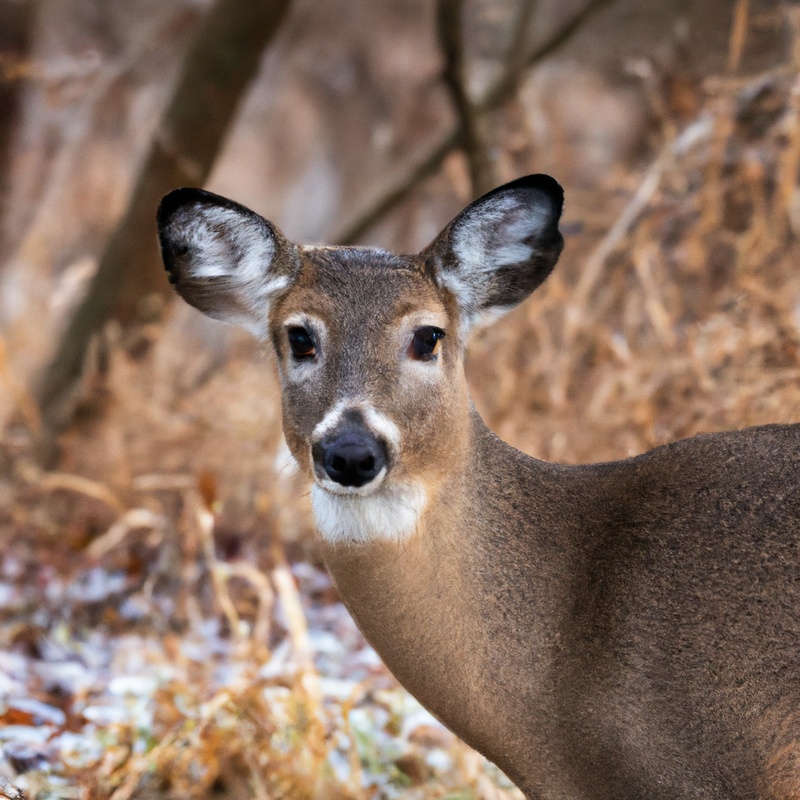
Winter forces deer into tight, predictable patterns. They yard up, conserve energy, and move only when they have to. April breaks that cycle. As soon as the first green shoots appear, deer spread out and begin making choices again.
This is when you learn which bedding areas they prefer when they’re not stressed, where they feed when food is abundant, and how they naturally use your land without pressure. These early spring patterns often resemble early fall behavior more than most hunters expect.
Turkey Flocks Split and the Woods Come Alive
April is the month when winter turkey flocks dissolve. Toms start drifting, hens begin scouting nesting areas, and gobbling ramps up fast. It’s the most honest look you’ll get at your turkey population all year — birds aren’t pressured, and they’re not patterning hunters. They’re simply acting like turkeys.
A few mornings of listening or glassing can tell you exactly how your local flock is shaping up for the season ahead.
The First Green-Up Predicts Summer Wildlife Hotspots
Forget food plots for a moment — the natural green-up is the real story in April. The first places to green up are the first places deer feed, the first places does bed with fawns, and the first places turkeys bug. These early patches of green become wildlife magnets well into summer.
If you want to understand how animals will use your land in June and July, watch where the green shows up in April.
Predator Movement Becomes Obvious
As snow melts and mud returns, predator sign becomes easy to spot. Coyotes, foxes, and bobcats leave clear tracks along creek bottoms, field edges, and logging roads. If you’re trying to understand fawn survival or turkey nesting success on your property, April is the month that reveals the truth about predator travel routes.
The Last Quiet Month in the Woods
Before the leaves pop and before the summer noise begins, April is the final peaceful stretch in the woods. You can hear turkeys waking up, woodpeckers staking territory, deer moving through wet leaves, and the first frogs calling from low spots. It’s a rare window when the woods feel alive but not yet busy.
Why These April Shifts Matter
Because they show you how wildlife wants to use your land when nature is in control. They reveal bedding preferences, feeding choices, travel routes, and habitat strengths — all without pressure, food plots, or hunting season influence.
April is the blueprint month. Everything that happens later — summer patterns, fall movement, rut travel — starts with the quiet changes happening right now.