

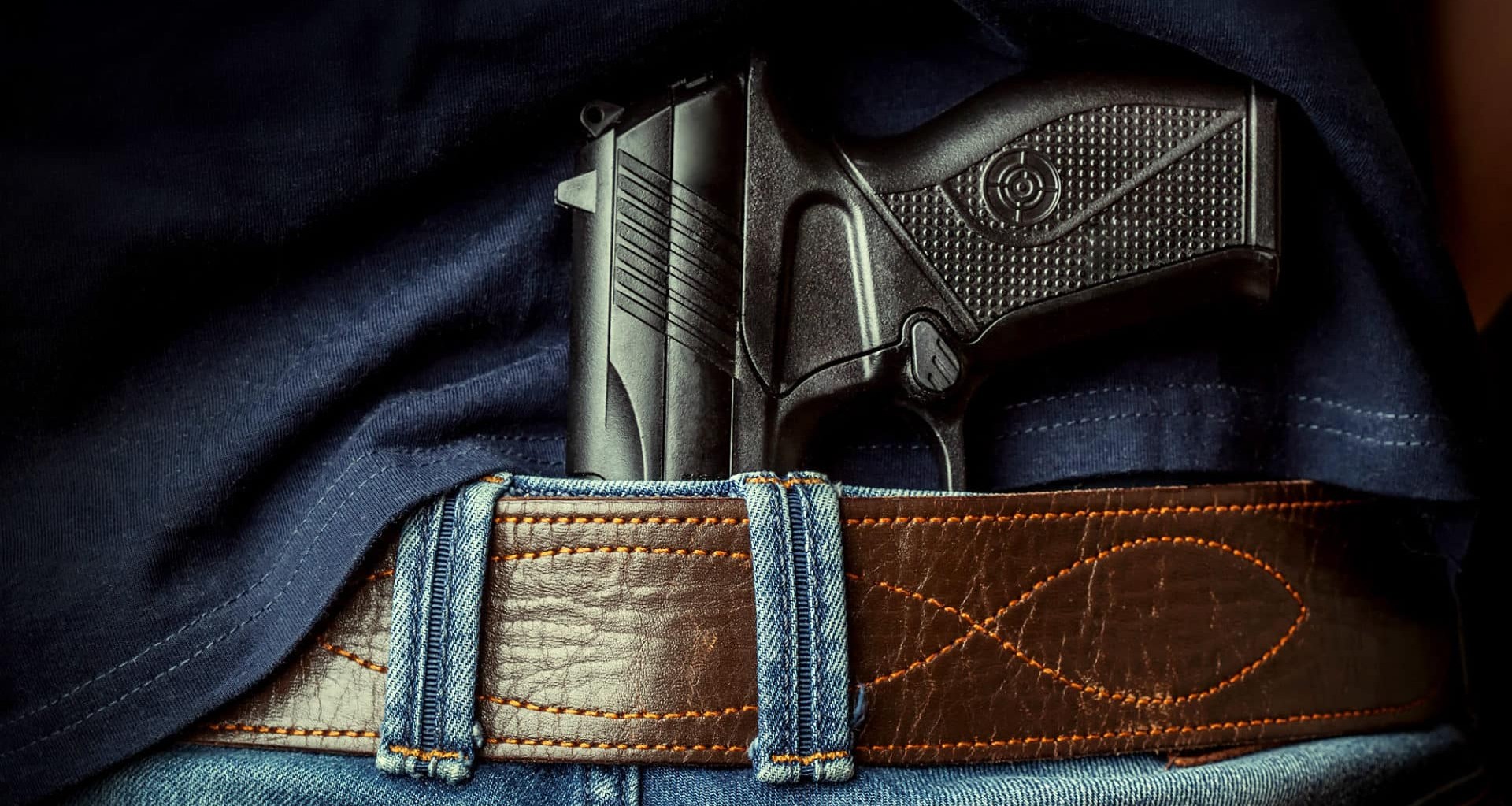
After the unfortunate death of a legal concealed carry owner in Minnesota, we all need to review what it means to be a responsible gun carrying citizen. A solid concealed carry class will teach you the mindset, legal understanding, and practical skills needed to carry a firearm safely and confidently.
But safety principles, legal responsibilities, situational awareness and practical shooting skills should be just the START. Here’s a list of topics you should be well versed in:
- Safety Principles That Become Habit
- The four universal rules of firearm safety
- Safe holstering and unholstering
- Avoiding negligent discharges in real‑world environments (cars, bathrooms, crowded spaces)
- How to carry safely with a round chambered
A good instructor drills these until they’re automatic.
- Legal Responsibilities and Use of Force Law
- When you can and cannot use deadly force
- The legal meaning of “imminent threat”
- Duty to retreat (if applicable in your state)
- What happens after a defensive shooting
- How to interact with police during and after an incident
- Civil liability considerations
This is the part many people underestimate. A firearm protects you physically, but it can expose you legally if you don’t understand the rules.
- Situational Awareness and Avoidance
- Reading your environment
- Recognizing pre‑attack indicators
- De‑escalation and avoidance strategies
- How to break “victim patterns”
The best fight is the one you never have to be in
- Practical Shooting Skills
- Drawing from concealment
- Shooting from realistic defensive distances (3–10 yards)
- Shooting under stress
- Reloads and malfunction clearing
- One‑handed shooting (strong and support hand)
A concealed carrier needs competence, not competition‑level precision.
- Concealment Methods and Everyday Carry Setup
- Choosing a holster that’s safe and secure
- Clothing considerations for different seasons
- How to conceal without printing
- Carrying with kids, pets, or in public spaces
A gun you can’t carry comfortably is a gun you won’t carry consistently.
- Real World Scenarios
- Defensive encounters in vehicles
- Home vs. public self‑defense differences
- What to do if you’re with family or friends
- How to move, communicate, and seek cover
Scenario based training is where theory becomes reality.
- Mindset and Aftermath
- Psychological effects of a defensive shooting
- How to call 911 effectively
- What to say—and what not to say—after an incident
- Understanding that carrying a gun means avoiding ego driven behavior
A firearm is a last resort, not a conflict solver.
What to Say to 911
Keep it minimal and factual: “There has been a shooting.”
Give the address.
“I was attacked and feared for my life.”
“Send police and medical.”
Describe yourself so responding officers don’t mistake you for the threat.
That’s it. No extra details, no play by play.
What to Say When Police Arrive
Your adrenaline will be high, and anything you say can be misinterpreted. The safest approach is: “Officer, I’m the one who called.”
“I will cooperate fully.”
“I was attacked and feared for my life.”
“I want to speak with an attorney before making a full statement.”
Then stop talking about the incident.
This isn’t about being difficult—it’s about ensuring your statement is accurate, not distorted by stress.
Why This Matters
After a traumatic event, your memory is unreliable. Even trained officers wait before giving detailed statements. Civilians deserve the same protection.
If You Are Pulled Over in Your Car
Put your hands on the wheel and tell them you are legally carrying and have a gun in your car. Follow their instructions after that.
Lastly: If you are protesting at a rally, stay out of the fray or just leave your gun at home!
The Range offers Concealed Carry classes regularly plus additional training to keep your skills sharp. VIEW CLASSES
AUTHOR: Judy Babiasz, Editorial Contributor -The Range of Richfield