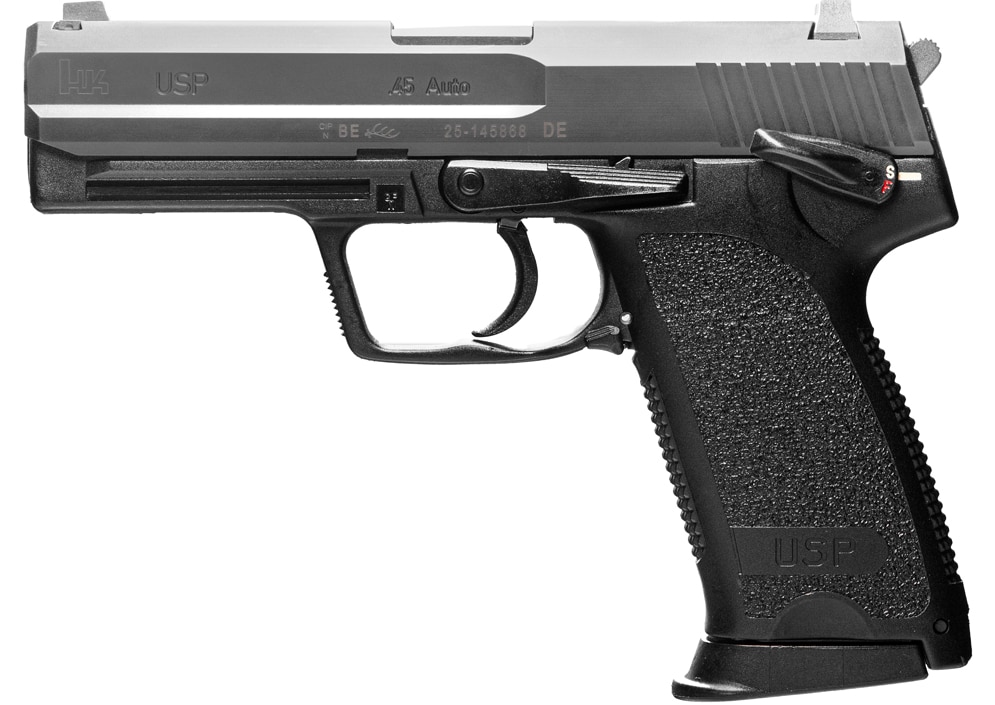


If you’ve spent any time around shooters, you know we can’t resist the game of “What gun is that?” Whether it’s a movie still, a grainy security clip, or a photo someone snapped at the range, shooters love identifying firearms the way birdwatchers identify sparrows.
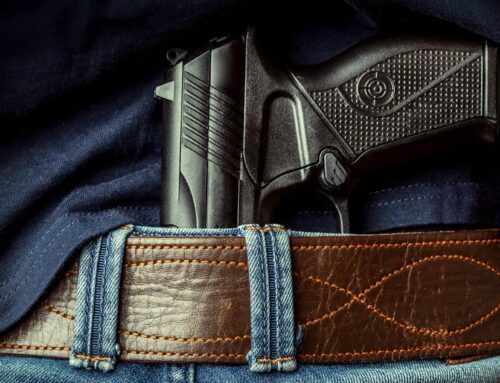
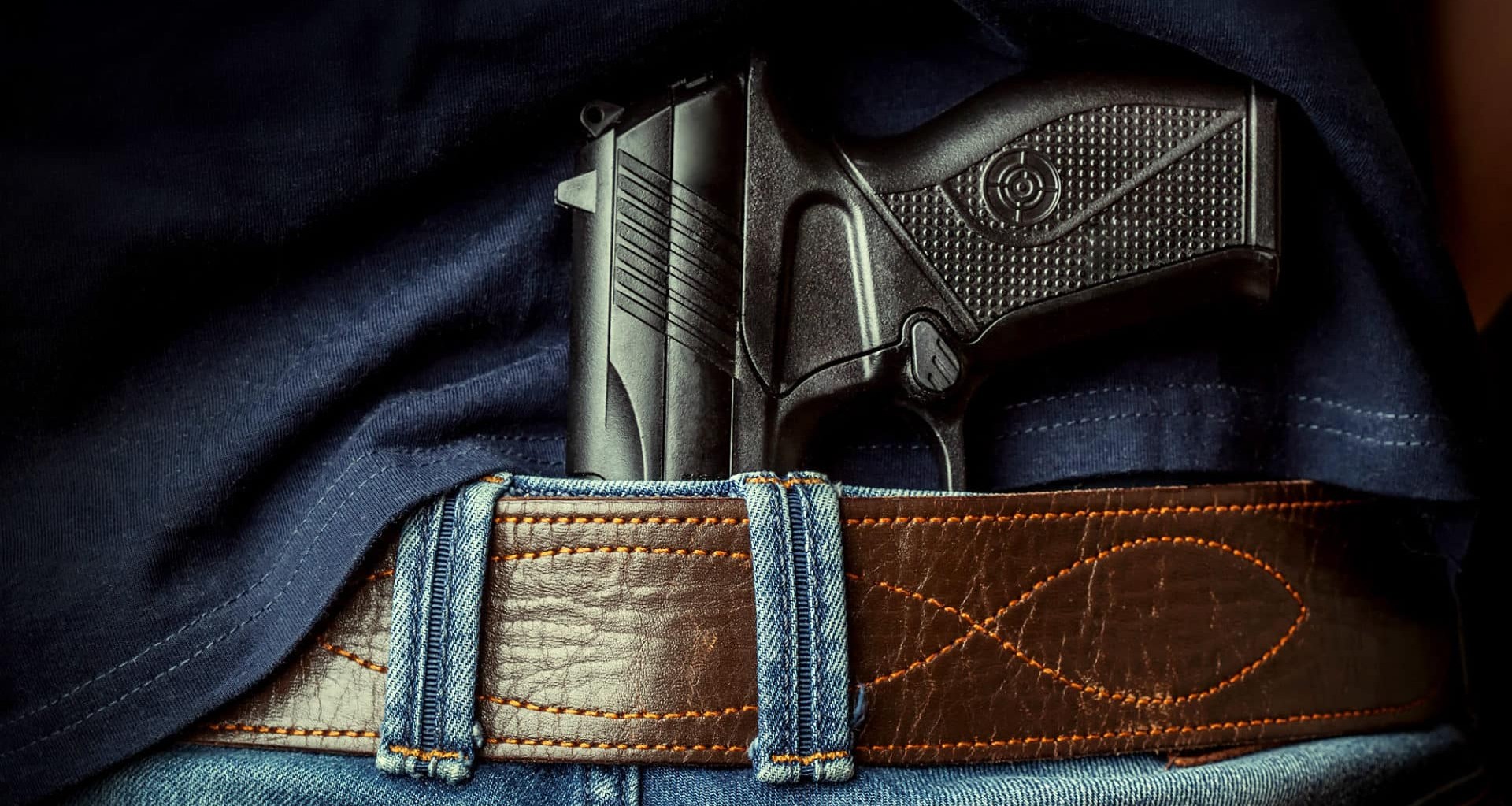
Most of us have seen the video of the suspect at Nancy Guthrie’s front door and the bizarre way he was carrying his firearm. The public was not shown any photo where we could even begin to speculate which gun it is, but it did get us thinking.
Just how do experts actually do it? And what clues matter most when the image quality is… less than ideal? Here’s a breakdown of the process — and a few tricks you can try yourself.
- Start With the Silhouette
Every firearm family has a distinctive outline. Even in low‑resolution footage, you can often tell:
- Revolver vs. semi‑auto Revolvers have a round cylinder bulge and a more forward‑set trigger guard. Semi‑autos have a flatter profile and a slide that runs the length of the gun.
- Full‑size vs. compact Grip length and slide length are dead giveaways.
- Long gun vs. handgun Obvious, but you’d be surprised how often people misjudge scale.
Silhouette is the first filter — it narrows the universe of possibilities fast.
- Look at the Holster (It Reveals More Than You Think)
Holsters are often easier to identify than the gun itself. A few clues:
- Revolver holsters have a deeper, rounder front to accommodate the cylinder.
- Kydex holsters have crisp, angular lines and molded retention points.
- Leather holsters often show stitching patterns unique to certain makers.
- Duty holsters (Safariland, for example) have telltale retention hoods or ALS/SLS levers.
If you can identify the holster, you can often infer the gun family it was designed for.
- Check the Grip Angle and Frame Shape
Grip angle is one of the most reliable identifiers:
- Glock: pronounced forward rake, blocky frame
- 1911: straight, classic angle
- SIG P-series: rounded backstrap, high beavertail
- Revolvers: curved, often with visible grip panels
Even a blurry grip can tell you the manufacturer.
- Pay Attention to the Trigger Guard
Trigger guards vary more than most people realize:
- Rounded vs. squared
- Undercut vs. straight
- Reinforced vs. thin
- Finger‑groove shelves (common on some older designs)
These details can eliminate entire categories of firearms.
- Don’t Forget Accessories
Sometimes the add‑ons give it away:
- Weapon lights
- Optics
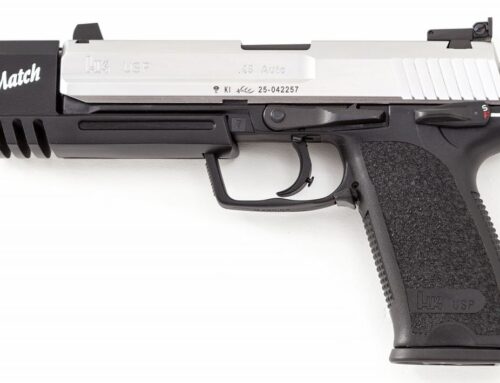
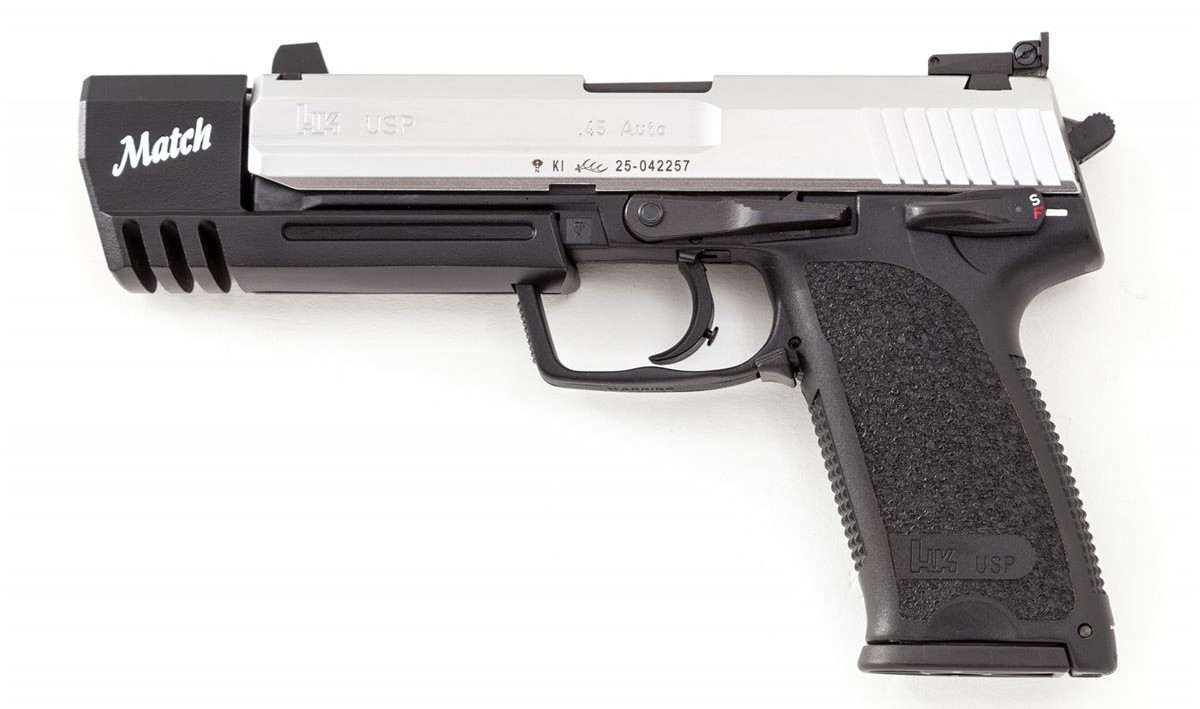
- Compensators
- Extended magazines
- Unique rail shapes
A SureFire X300, for example, immediately suggests a full‑size duty pistol.
- When the Image Is Terrible, Look for Behavior
If the footage is too grainy to see details, experts look at:
- How the person draws or carries the gun
- The angle of the wrist
- The size of the holster relative to the body
- The way the gun sits on the belt
These clues can hint at size, weight, and even platform.